

How to Start Kickboxing - Even If You’re Not a Fighter (A beginner’s guide)
A step-by-step guide for a beginner
7/26/20254 min read

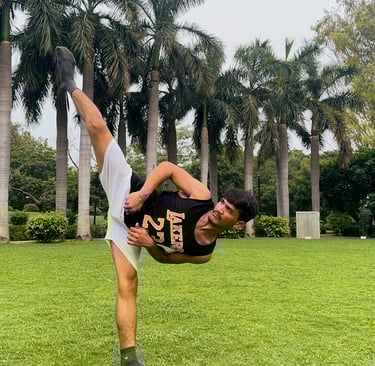
How to Start Kickboxing - Even If You’re Not a Fighter (A beginner’s guide)
Anyone can get into kickboxing. In fact, anyone can get into any sport.
You don’t have to train professionally or compete to enjoy it. Sports can simply be fun, playful, and empowering. Whether it’s kickboxing, running, or football in the park, moving your body in a way that feels good has real benefits.
Sometimes, you just need a something a little stronger than your usual yoga or pilates to take the edge off of a hard day, that is where Nature Combat’s Outdoor Kickboxing-based workout sessions come in play. Recreational sports improve not just your physical health, but your mental wellbeing too. They boost mood, reduce stress, and build confidence—all while keeping fitness exciting and sustainable. Read on to find out how you can punch your way in a boxing ring (or parks).
Benefits of Kickboxing for Beginners
It’s one of the most powerful ways to get in shape while building real strength and unshakable confidence. With every punch and every kick, you’re not just training your body, you’re sharpening your mind. Kickboxing boosts endurance, improves balance, and levels up your coordination and agility. It’s not just a workout - it’s a mindset shift.
According to the World Health Organization, just 150 minutes of moderate activity per week significantly reduces the risk of depression and anxiety.
Kickboxing 101: A step-by-step guide for a beginner
Being a beginner in a combat sport can always be intimidating and overwhelming to know where to start. From finding the right class to mastering basic techniques, the process can seem daunting, but with the right approach, you can smoothly transition into this exciting martial art. With the right mindset (and this guide), you’ll go from rookie to ready in no time.
1. Find a Kickboxing Class Near You
Look for beginner-friendly sessions. Specially ones that focus on technique, not just cardio. Outdoor programs like Nature Combat create a safe space for all levels to train without judgment or mirrors. Check Google Maps, Instagram, or local gyms. Trial classes are your best friend; use them to get a feel for the vibe and the coach. Also, take in consideration the peers you will be learning with; you should feel comfortable with your tribe.
The right environment makes all the difference. Look for a coach who breaks things down, pushes you without pressure, and makes you feel like you belong. You don’t need a fancy gym - just a place with good energy and real people who want to rise together.
2. Gear Up, But Keep It Simple
You don’t need fancy equipment to get started - just the basics. Comfortable workout clothes, water, and the right attitude are enough for day one. Most beginner classes will provide gloves or pads, but if you’re training regularly, investing in your own pair of gloves and hand wraps is worth it. The gear doesn’t make the fighter - showing up does.
Essential gear to start with -
Gloves - It's essential to invest in the right pair of boxing gloves to protect your hands and wrists during kickboxing training. Take your time to find gloves that fit comfortably and offer adequate support, ensuring that you can fully enjoy and benefit from every session.
Hand wraps - Did you know that hand wrapping is crucial in safeguarding your hands and wrists during kickboxing? This practice also adds an extra layer of support to your gloves, providing added protection against potential harm.
Right clothing - It's important to choose loose and breathable attire that allows for ample mobility during kickboxing sessions.
3. Do not overcomplicate things - Learn the Basics First
Before jumping into full workouts, you’ve got to lock down the basics. These core moves are the foundation of every kickboxing session - and they’re what keep you safe while building real skill. Start by focusing on:
Jab: A quick, straight punch with your lead hand. It’s used to gauge distance and set up more powerful punches.
Cross: A powerful punch thrown with your rear hand, typically after a jab.
Hook: A circular punch aimed at the side of your opponent’s head or body.
Uppercut: A punch that travels upward, targeting the chin.
Roundhouse Kick: One of the most common kicks in kickboxing, where you pivot on your foot to swing your shin or foot into your opponent’s side or head.
Footwork: Learning how to move fluidly, shift your weight, and maintain balance is essential in both offense and defense.
4. Build Consistency, Not Perfection -
You won't master kickboxing in a week, and that is the point. Real progress comes from showing up, even on the off days,. Focus on small wins: better form, sharper reactions, stronger stamina. Kickboxing is a practise, not a performance. Keep showing up, and the fight will start to feel like home.
Some days you will feel strong, other days you will struggle, and that's completely normal. What matters most is that you keep coming back. The more consistent you are, the more natural it becomes. In kickboxing - discipline beats motivation every single time.
5. Find your groove and have fun
Kickboxing isn’t just about getting fit, there’s so much more to it - it’s about feeling alive. Hitting pads, learning combos, pushing past limits, it’s supposed to be fun, raw, and freeing. Don’t overthink it. Laugh at your missteps, celebrate your progress, and let yourself grow through the grind. This is your space to unleash, recharge, and reconnect with yourself and the community.
Ready to throw your first punch?
Join a Nature Combat session this weekend. No pressure, no egos—just real movement, real people, and one rule: show up.
Your kickboxing journey starts the moment you step in. Let’s move.

NATURECOMBAT
Join our community and elevate your fitness journey.
SIGN UP FOR YOUR FREE TRIAL CLASS
+91 95990 70769
© 2025. All rights reserved.
New Delhi House,
Barakhamba Road, Connaught Place
New Delhi 110001